Honey Lemon: A Handwritten Script Font for Creative Projects
There’s a certain warmth that only a handwritten element can bring to a design. It’s the difference between a generic, store-bought card and one that feels personal, crafted with intention. In a digital landscape saturated with clean, geometric sans serif fonts and formal serif typefaces, a touch of organic humanity can make all the difference. This is where a premium font like Honey Lemon enters the conversation. It’s not just another script font; it’s a carefully crafted tool designed to inject personality and approachability into your work.
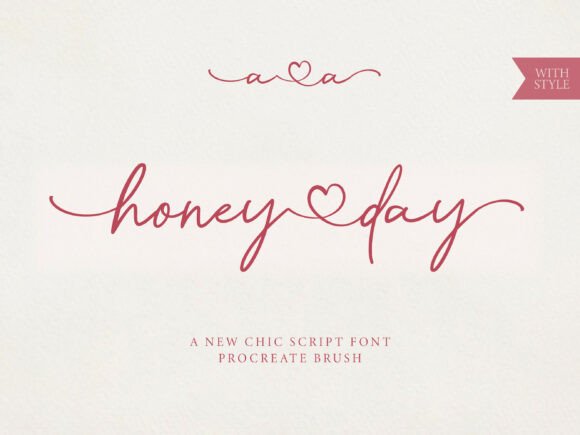
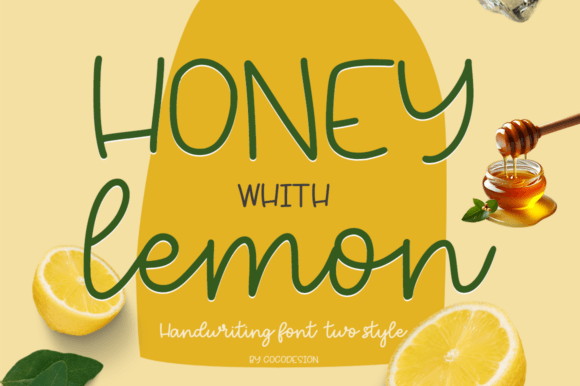
Honey Lemon is an enchantingly sweet handwritten script font, built with the fluidity and charm of natural penmanship. Its visual character is defined by smooth, connected strokes and a balanced x-height, making it feel both casual and elegant. Unlike some overly complex script fonts that sacrifice readability for flair, Honey Lemon maintains a clear, legible flow. The letterforms have a slight bounce and a gentle slant, giving text a lively, conversational rhythm. It’s a creative font that feels authentic—less like a rigid digital rendering and more like something penned with care on a favorite notepad.
Practical Applications: Where Honey Lemon Truly Shines
The real value of any design asset lies in its versatility. Honey Lemon proves its worth across a surprisingly wide range of applications, making it a valuable addition to any designer’s toolkit.
For Brand Identity and Marketing: This typeface excels at building a brand identity that feels warm, personal, and trustworthy. Imagine it on a bakery’s logo, the header of a lifestyle blog, or the packaging for a handmade skincare line. It communicates care and craftsmanship instantly. In social media graphics, Honey Lemon can make quotes, announcements, and calls-to-action feel more engaging and less corporate. It’s particularly effective for brands targeting audiences that value authenticity, such as those in wellness, artisanal goods, or boutique services.
In Publishing and Editorial Design: While not suited for long body text, Honey Lemon is a standout choice for editorial design accents. Think pull quotes, chapter titles in a cookbook, or stylized headers in a magazine layout. It adds a layer of visual interest and personality that a standard sans serif font cannot provide. For book covers, especially in genres like romance, young adult fiction, or memoir, it can set the perfect tone.
Digital and Print Crafting: This is where Honey Lemon’s design truly comes alive for hobbyists and small business owners. Its compatibility with Cricut SVGs, Goodnotes, and Procreate makes it a powerhouse for physical creations. Use it to design custom wedding invitations, thank-you cards, gift tags, and decals. The font’s clean paths ensure smooth cutting for vinyl projects, and its charm translates beautifully to print-on-demand products like mugs, tote bags, and posters.
Integrating Honey Lemon into Your Design Workflow
Adopting a new typeface requires more than just liking its appearance. It needs to function within your projects. Here’s how to approach using Honey Lemon effectively.
Evaluate Project Fit: First, consider the project’s goal. Honey Lemon is a display font, ideal for headlines, logos, and short bursts of text. It’s not a workhorse for body copy. Its personality is friendly and approachable, so it may not align with projects requiring a stark, ultra-modern, or highly formal aesthetic. It’s perfect for adding a human touch but should be used judiciously to maintain visual hierarchy.
Master Font Pairing: The key to using a handwritten font professionally is pairing it with a stable, neutral counterpart. Honey Lemon pairs beautifully with clean sans serif fonts like Montserrat, Lato, or Open Sans. This contrast creates a dynamic and readable layout where the script draws the eye for emphasis, and the sans serif provides clear, comfortable reading for longer text. For a more classic feel, pairing it with a simple, elegant serif font like Lora or Merriweather can also work well. Always test your pairings at the actual size they’ll be used to ensure legibility.
Consider Readability and Licensing: Always test Honey Lemon at various sizes. While it’s designed for clarity, extremely small sizes or busy backgrounds can impact readability. For digital use, ensure sufficient contrast. For commercial projects, verify the licensing terms. A commercial font license typically covers use on products for sale, websites, and marketing materials, but it’s crucial to understand the specifics—whether it’s a desktop license, webfont license, or an extended license for large-scale production.
Honey Lemon is more than just a cute script font; it’s a versatile tool for infusing warmth and personality into modern design. From elevating a logo design to making a social media post feel more human, it offers a distinct voice that resonates with audiences seeking authenticity. By understanding its strengths and applying it thoughtfully, you can transform your projects from merely functional to genuinely captivating. It’s an invitation to let a little more heart show in your work.